
Leave Your Message
Explore our specialized cubicle curtains and high-absorbency cleaning products designed to prevent cross-contamination in care environments.

Clean Technology with a Purpose, Defining Application Standards. Since 2009
We have spent the last 17 years perfecting the science of non-woven fabrics and microfiber cleaning. But our expertise goes beyond materials—it extends to our responsibility to the earth. Sustainability is at the heart of our production. We rigorously track and minimize the carbon footprint of our products, ensuring that our cleaning solutions leave the world cleaner in every sense.
Nursing homes and long-term senior care facilities represent a unique ecosystem where clinical safety and residential comfort must coexist. In this environment, privacy curtains act as vital partitions, but traditional textile curtains present significant challenges in terms of infection control, operational costs, and regulatory compliance. The transition to advanced, non-woven disposable cubicle curtains has emerged as a cornerstone of modern facility management, offering superior antimicrobial protection, substantial cost reductions, and enhanced dignity for residents.
The global market for medical textiles has undergone a profound structural shift over the past decade. Traditionally, hospitals and nursing homes relied on woven fabric curtains, typically made of polyester or cotton blends. While these materials offer a familiar, domestic aesthetic, they are highly susceptible to microbial colonization. Studies have shown that pathogens such as Methicillin-resistant Staphylococcus aureus (MRSA), Clostridioides difficile (C. diff), and Vancomycin-resistant Enterococci (VRE) can survive on standard textiles for weeks, if not months.
In response, the healthcare industry has increasingly adopted disposable alternatives. The commercial landscape for disposable cubicle curtains is driven by the urgent need to lower Healthcare-Associated Infections (HAIs), which not only threaten patient safety but also impose immense financial burdens on healthcare systems. For nursing homes, where residents often have compromised immune systems and multiple comorbidities, preventing cross-contamination is a matter of life and death.
From an economic standpoint, the industrial shift toward disposable curtains is justified by a direct cost-benefit analysis. Traditional curtains require a complex loop of removal, laundering, transportation, and re-hanging. This loop incurs significant labor costs, water and energy consumption, chemical detergent expenses, and the need for a large inventory of backup curtains. In contrast, disposable curtains are designed for rapid installation and replacement, eliminating the laundering cycle entirely and allowing staff to focus on direct resident care.
The performance of modern disposable cubicle curtains is rooted in advanced material engineering. The primary material used is 100% non-woven polypropylene, a polymer known for its excellent tensile strength, moisture resistance, and recyclability. Unlike woven fabrics, non-woven polypropylene is manufactured through a direct extrusion and bonding process, creating a dense web of fibers that prevents the entrapment of microscopic pathogens.
Furthermore, these curtains are treated with active antimicrobial agents during the manufacturing phase. These treatments are not merely surface coatings; they are embedded within the polymer matrix, ensuring that the antimicrobial property remains active throughout the lifespan of the curtain. Common active agents include silver-ion technologies and quaternary ammonium compounds, which actively disrupt the cell membranes of bacteria and viruses, preventing the formation of biofilms.
Another critical technical aspect is fire retardancy. In nursing homes, fire safety is of paramount importance due to the limited mobility of many residents. Disposable cubicle curtains must meet strict international fire safety regulations, such as NFPA 701 (National Fire Protection Association) in the United States and BS 5867 Part 2 Type C in the United Kingdom. Modern non-woven curtains are engineered to be inherently flame-retardant, ensuring they do not contribute to the spread of fire.
As the global population ages, the demand for nursing homes and assisted living facilities is projected to rise dramatically. This demographic shift is shaping several key trends in the development of disposable cubicle curtains:
To understand the value of disposable cubicle curtains, it is useful to analyze their deployment across different zones within a typical long-term care facility:
In shared rooms, privacy curtains are high-touch surfaces. Staff touch them before and after handling residents, and residents touch them to adjust their personal space. Because hand hygiene compliance can vary, traditional curtains quickly become contaminated. Disposable antimicrobial curtains provide a continuous shield, reducing the risk of pathogen transfer between roommates and protecting vulnerable seniors from opportunistic infections.
Nursing homes are highly vulnerable to rapid outbreaks of infectious diseases, such as norovirus, influenza, or coronavirus. During an outbreak, immediate isolation is critical. Traditional fabric curtains are difficult to decontaminate quickly. Disposable curtains can be torn down and replaced in under two minutes using quick-glide hook systems, allowing environmental services (EVS) teams to sanitize a room rapidly and safely, without exposing laundry staff to hazardous pathogens.
Rehabilitation zones experience high traffic, with multiple residents using the space throughout the day. Curtains in these areas are subject to constant pulling and mechanical wear. The high-tensile strength of non-woven polypropylene ensures that the curtains resist tearing and maintain their structure, providing consistent visual and acoustic privacy during sensitive therapy sessions.
In palliative care, the focus is on comfort, peace, and dignity. Specialized heavy-duty non-woven curtains offer enhanced acoustic dampening, helping to block out hallway noises and conversations. This creates a quiet, respectful environment for residents and their families during end-of-life care.
For facility managers, implementing a disposable curtain program requires clear protocols to maximize efficacy and compliance:
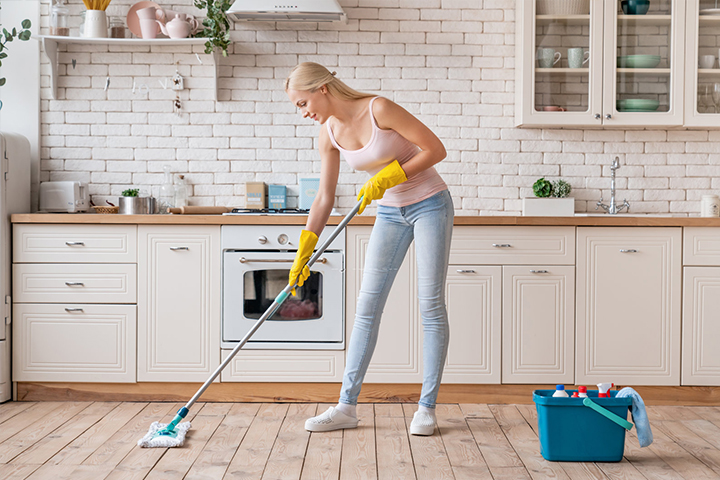
We believe that true cleanliness requires context. Understanding that different industries face unique challenges, we evolved our business into four specialized B2B brands, each offering a complete, scenario-based solution:


From our first day in 2009 to today, our drive remains the same. We are committed to continuous improvement, ensuring that every product we deliver isn't just a tool, but a solution that surpasses your expectations.
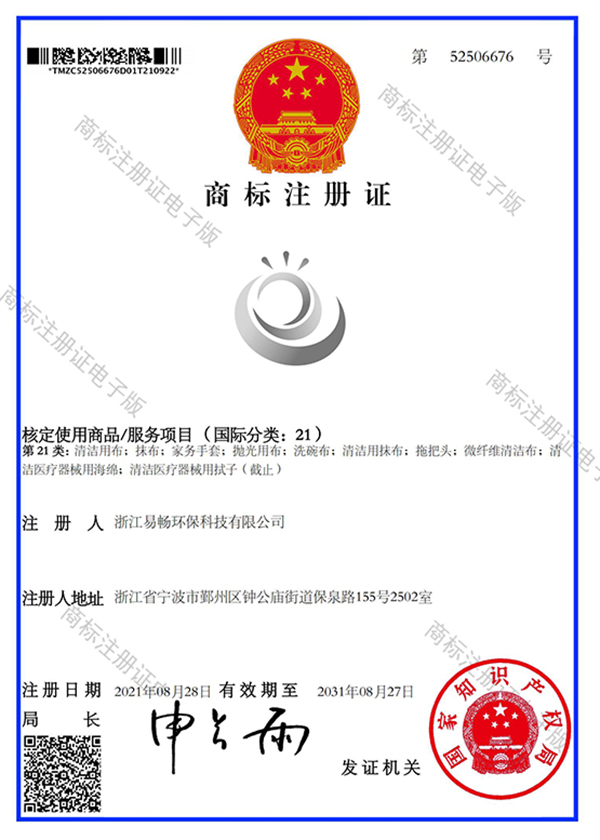
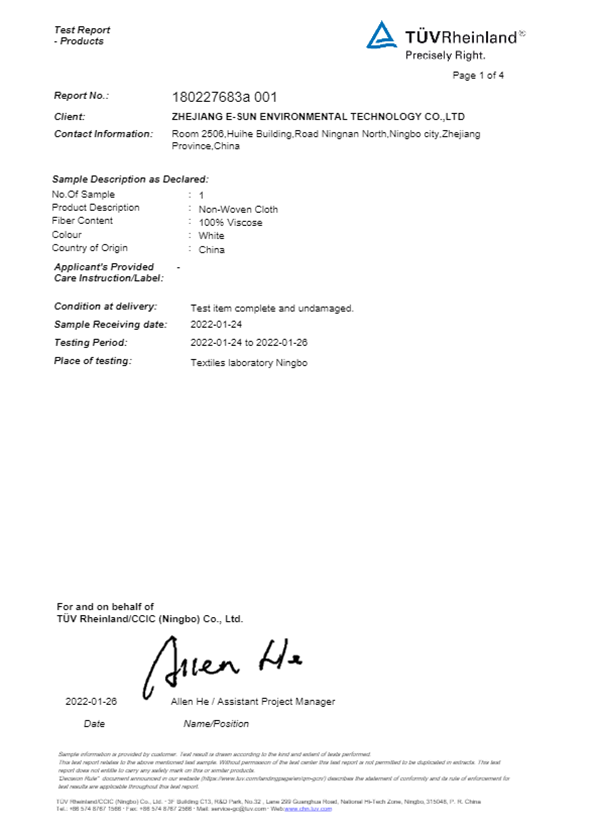
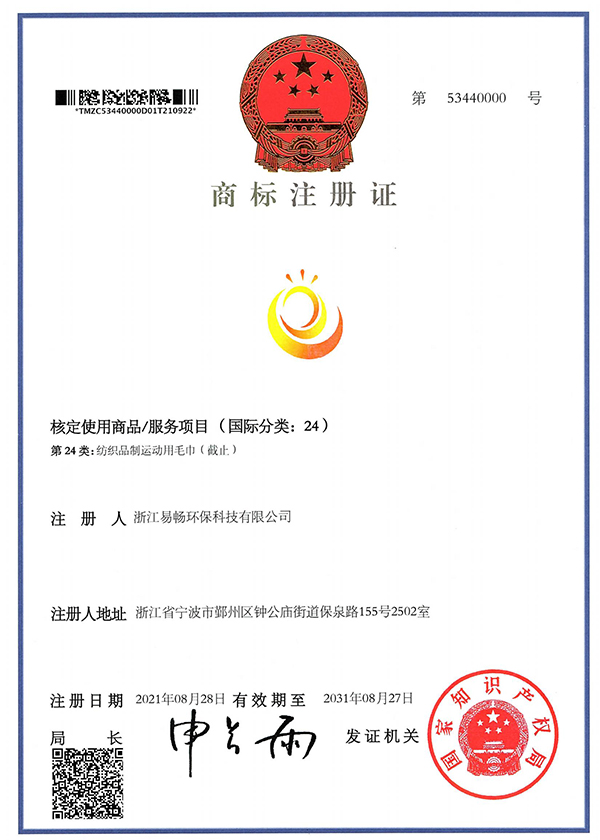
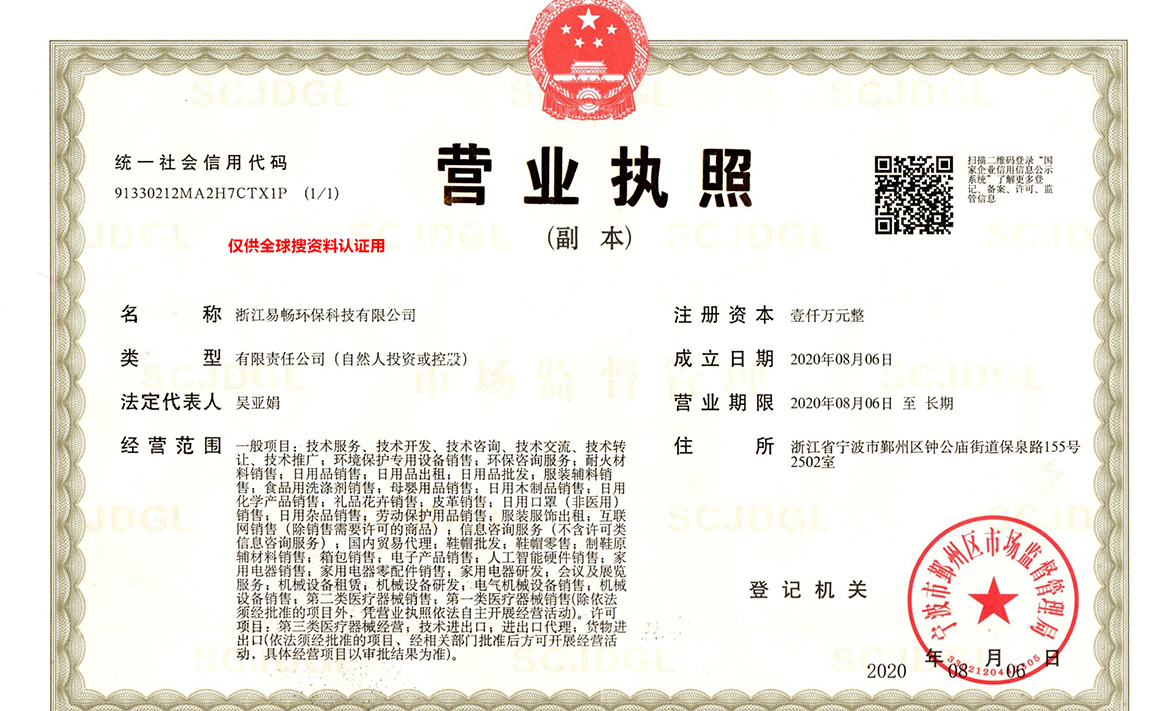
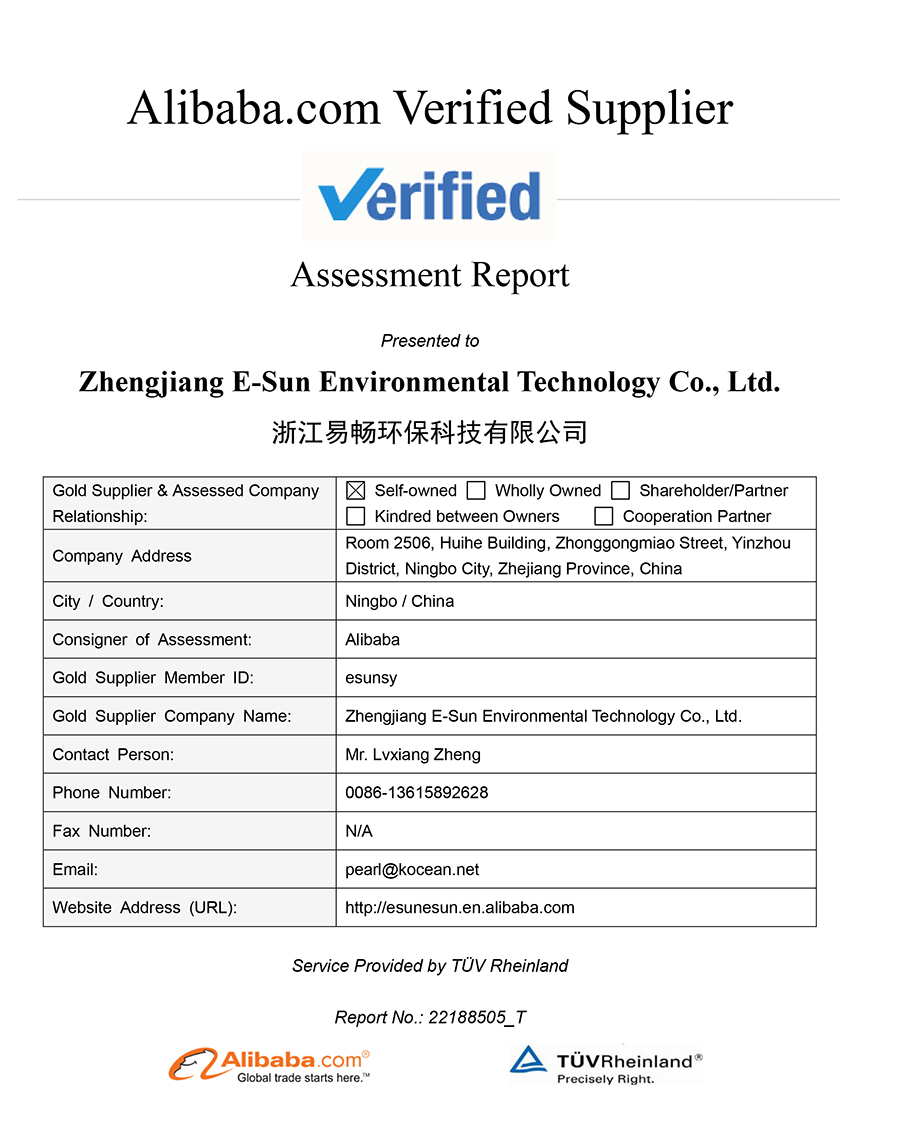
Our commitment to quality is backed by international standards and rigorous testing certifications.


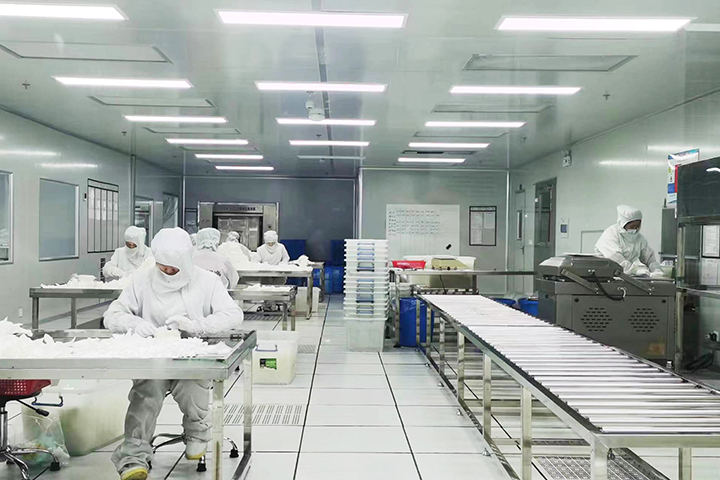
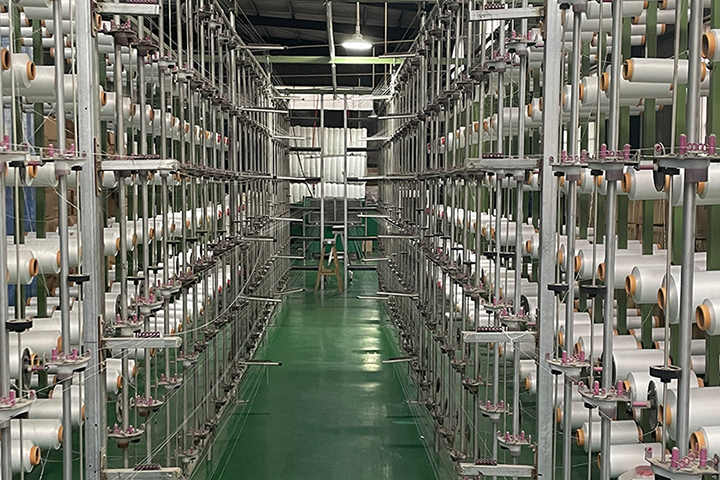
State-of-the-art facilities equipped with advanced machinery to ensure high-capacity and high-quality production.


A dedicated, passionate, and professional team striving for excellence in clean technology.


Discover the key advantages and services that set Hygiesun apart in the medical cleaning and textile industry.
"To be the favorite supplier, a respectable company and a Symbiotic Organization; Being people: Honest and Reliable; Doing things: Professional and Efficient; Relationship: Simple and Pure; With an Altruistic Heart / Maintain Lifelong Learning and Growth / Cooperation for Long-Term Common Prosperity."
Rely on our ultrafine microfiber cloths and privacy curtains as your trusted partner in the healthcare and cleaning industries.
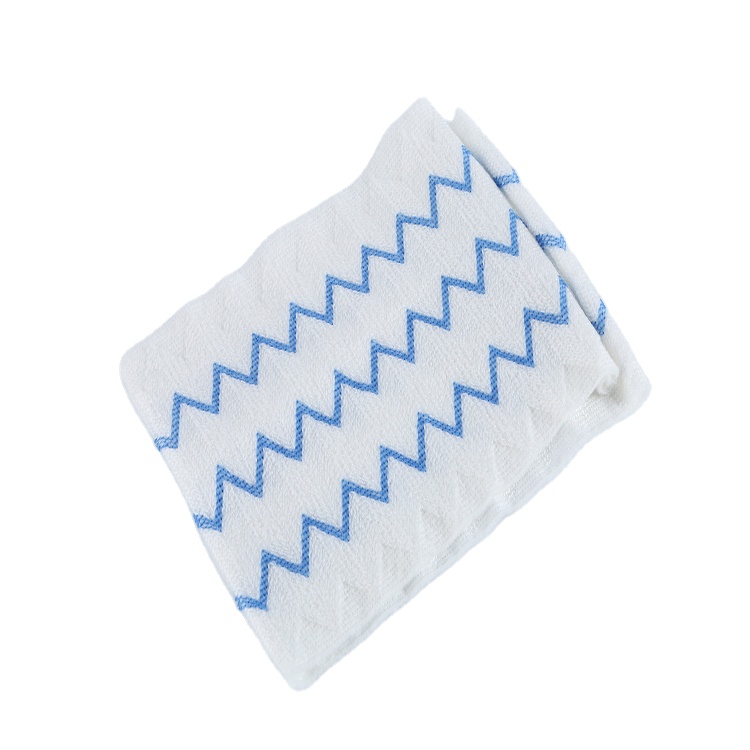
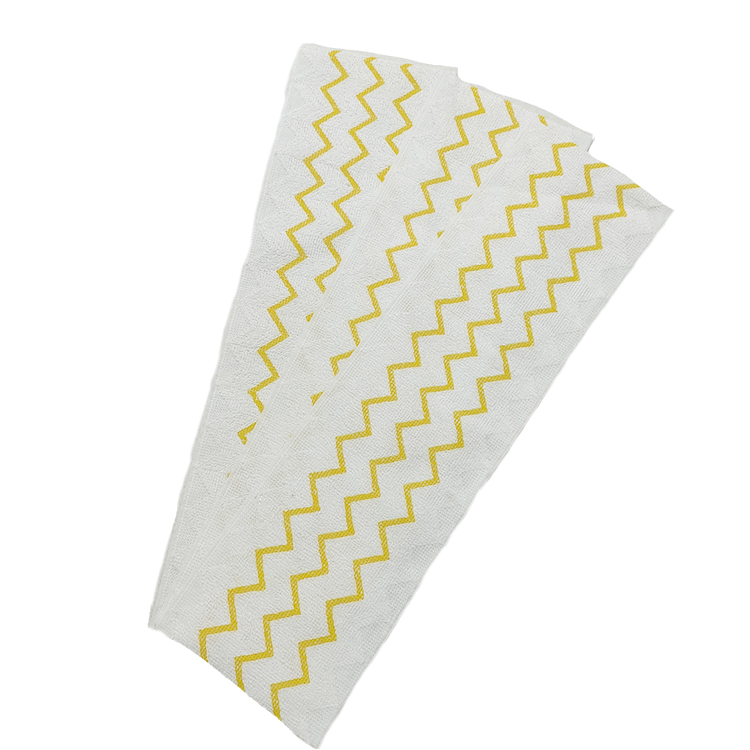
Explore our full catalog of high-performance disposable privacy curtains, microfiber mop pads, and cleaning accessories designed for senior living and healthcare facilities.

 Send Email
 whatsapp