Leave Your Message
Engineered for immediate deployment, high fluid resistance, and comprehensive bacterial barriers.
In the high-pressure environment of healthcare facilities, the emergency department (ED) serves as the primary gateway for critical care. Within these dynamic spaces, layout, design, and barrier solutions play a pivotal role in patient outcomes, operational efficiency, and safety. Among these, the hospital bed curtain for emergency departments stands out as a critical tool. Far from being a mere piece of fabric suspended from the ceiling, modern medical privacy curtains are highly engineered barriers designed to meet strict clinical standards. This comprehensive guide explores the commercial and industrial landscape, key challenges, technological advancements, and deep-dive application scenarios of emergency department privacy curtains.
The global healthcare textiles market is undergoing rapid transformation, driven by an increased focus on preventing Healthcare-Associated Infections (HAIs). Hospital bed curtains represent a massive segment of this market. In emergency departments, where patient turnover is exceptionally high and the risk of cross-contamination is elevated, the demand for specialized curtains has surged.
Historically, hospitals relied on heavy, woven polyester curtains. While durable, these curtains require frequent laundering, which consumes significant water, energy, and chemical detergents. Additionally, the process of taking down, washing, and re-hanging curtains is labor-intensive and leads to bed downtime. This operational bottleneck has accelerated the commercial adoption of disposable non-woven polypropylene (PP) curtains.
Industrially, manufacturers are now aligning production lines with stringent international standards. These include flame retardancy certifications (such as NFPA 701 in the United States and BS 5867 Part 2 Type C in the United Kingdom), antimicrobial effectiveness (ISO 20743 and ASTM E2149), and environmental sustainability metrics. As hospitals commit to carbon-neutral goals, the lifecycle analysis of hospital bed curtains has become a primary purchasing criterion.
"Modern emergency departments require curtain systems that balance immediate accessibility with robust microbiological barriers. The shift toward disposable antimicrobial materials represents a major milestone in infection prevention."
Emergency departments present unique environmental challenges that differ significantly from standard inpatient wards:
EDs experience unpredictable patient surges. A single bed space may host multiple patients with completely different pathologies in a single shift, increasing cross-contamination risks.
Trauma cases and emergency procedures result in exposure to blood and bodily fluids. Curtains must possess hydrophobic properties to resist staining and fluid penetration.
Emergency bays must maintain proper ventilation and comply with fire safety codes. Curtains must feature a mesh top to allow overhead sprinkler systems to penetrate.
To fully appreciate the role of the hospital bed curtain for emergency departments, we must analyze its performance across different sub-sections of the ED:
The intersection of materials science and digital technology is driving the future of hospital bed curtains:
Nanotechnology and Active Antimicrobials: Rather than relying on simple chemical coatings that wash off over time, modern curtains incorporate nanotechnology. Silver, copper, and zinc nanoparticles are embedded directly into the polymer matrix of non-woven fibers during extrusion. This ensures permanent, non-leaching antimicrobial activity that kills 99.9% of bacteria, including MRSA and VRE.
RFID and Smart Tracking: Large healthcare systems struggle to monitor when curtains were last changed or washed. The integration of Radio Frequency Identification (RFID) tags into the hems of hospital bed curtains allows automated tracking. Scanners located in ED doorways or ceiling tracks log when a curtain is removed, washed, or replaced, feeding data directly into the hospital's environmental services (EVS) management software.
Eco-Friendly & Biodegradable Materials: As environmental regulations tighten, manufacturers are developing biodegradable non-woven polypropylene curtains that break down safely in landfills within a few years, compared to centuries for standard plastics. E-Sun is at the forefront of this movement, actively tracking and minimizing the carbon footprint of our non-woven textiles.
When sourcing curtains for emergency departments, procurement managers must evaluate several factors:
Material Selection: Non-woven PP is ideal for high-turnover, high-infection-risk zones due to its cost-effectiveness and disposable nature. Polyester plain fabric is preferred for low-risk, long-term observation beds where a warm, homelike aesthetic is desired.
Sizing and Fit: Standard ED cubicles require curtains with sufficient width to allow full closure without gaps. A general rule is to add 10-15% to the track length to ensure proper drape and coverage.
Hanger and Hook Systems: Quick-release plastic hooks or eyelet designs that slide directly onto existing tracks can reduce curtain changeover time from 15 minutes to under 2 minutes, significantly reducing labor costs and bed downtime.

Clean Technology with a Purpose, Defining Application Standards. Since 2009
We have spent the last 17 years perfecting the science of non-woven fabrics and microfiber cleaning. But our expertise goes beyond materials—it extends to our responsibility to the earth. Sustainability is at the heart of our production. We rigorously track and minimize the carbon footprint of our products, ensuring that our cleaning solutions leave the world cleaner in every sense.
We believe that true cleanliness requires context. Understanding that different industries face unique challenges, we evolved our business into four specialized B2B brands, each offering a complete, scenario-based solution:


From our first day in 2009 to today, our drive remains the same. We are committed to continuous improvement, ensuring that every product we deliver isn't just a tool, but a solution that surpasses your expectations.
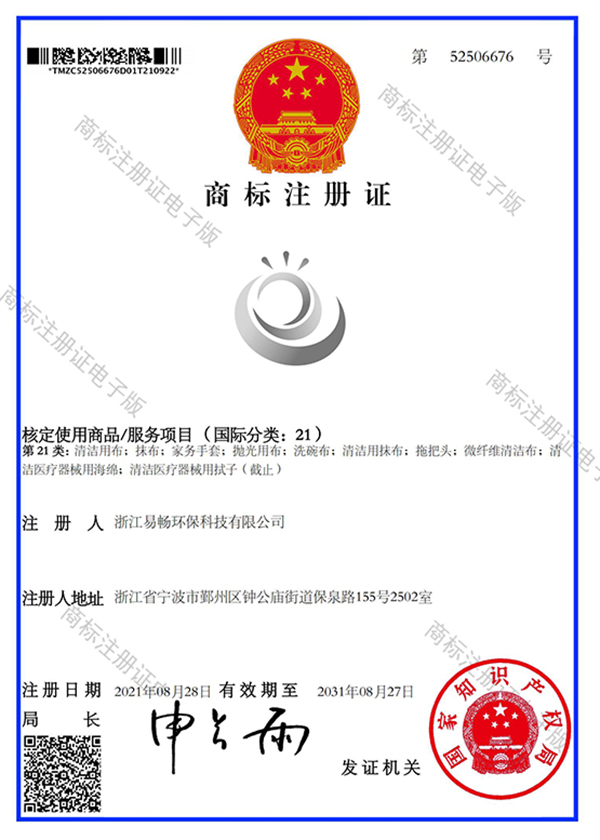
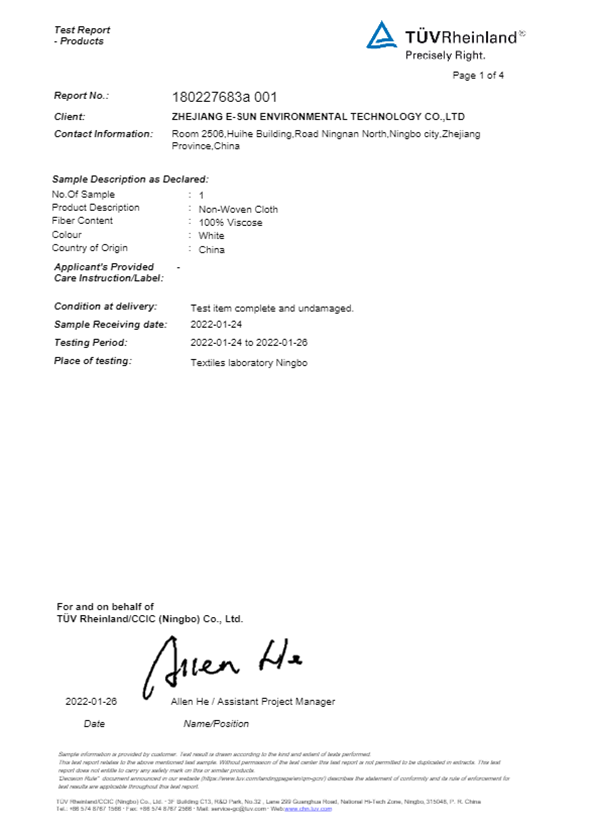
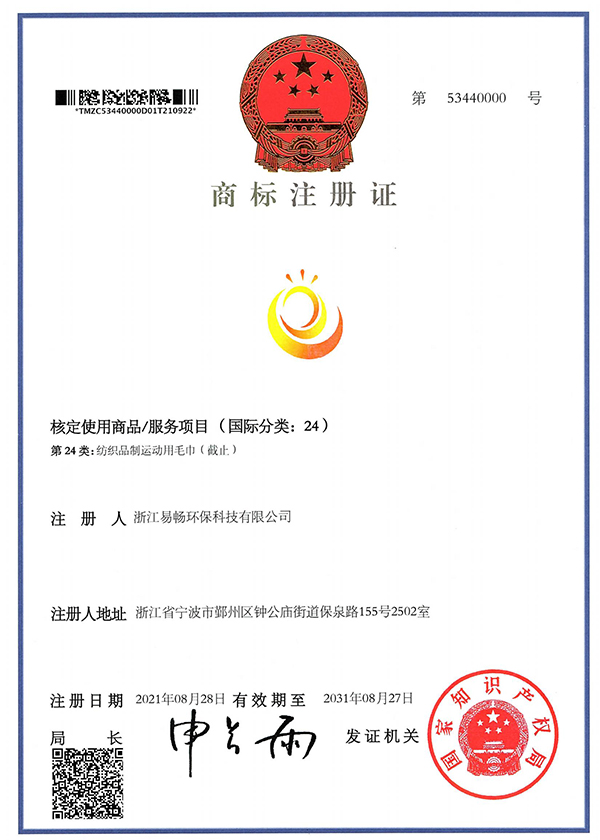
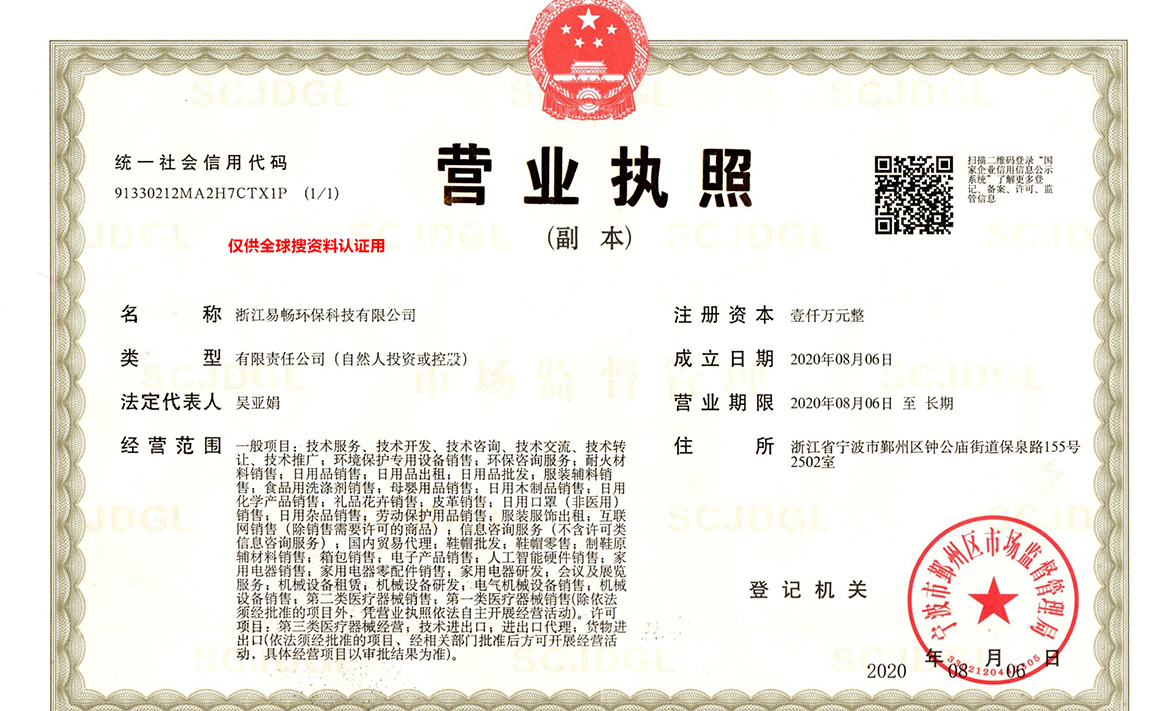
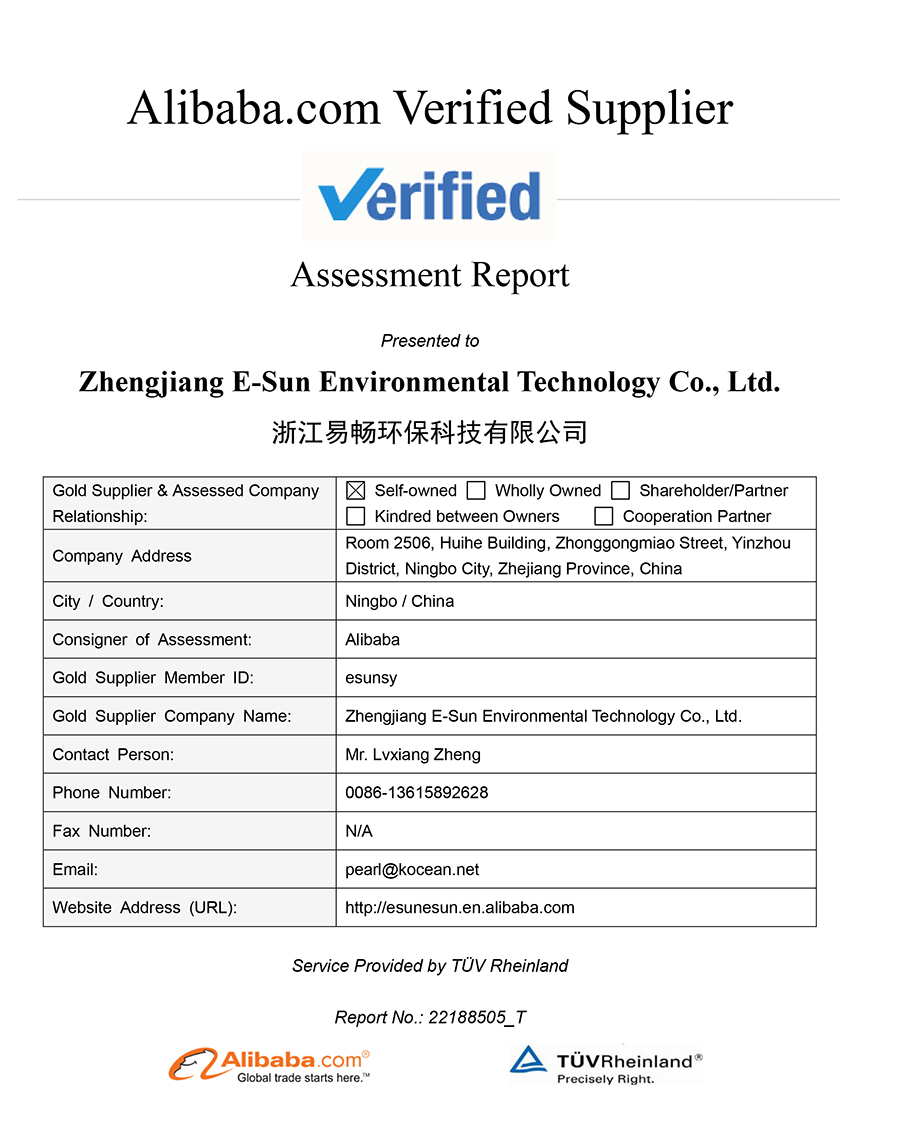
Our products comply with international safety, environmental, and quality standards.


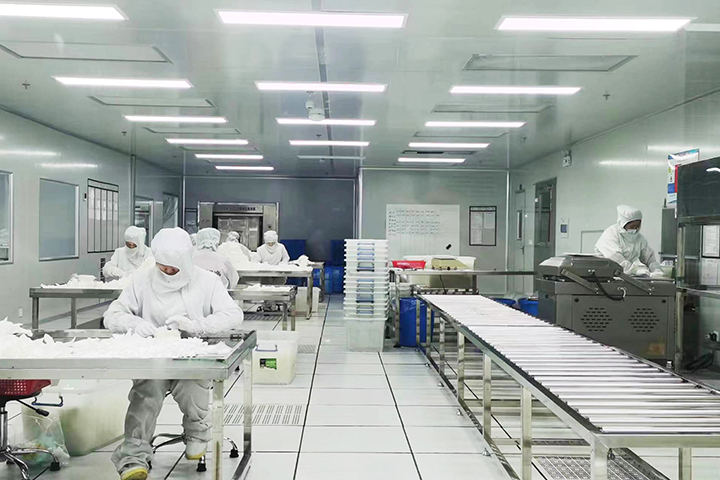
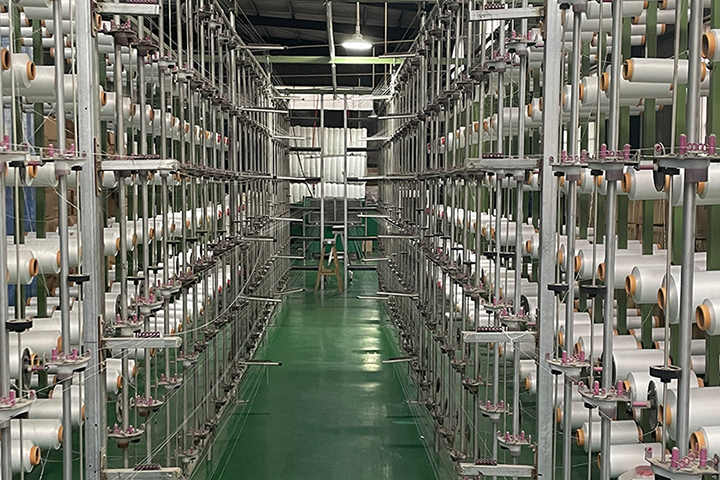
Advanced machinery and strict quality control processes define our production line.


A passionate team dedicated to research, development, and customer service.


Expert in Microfiber, Solution of Hygiene Cleaning

E-sun has a firm awareness about the importance and value of hygiene cleaning, that is why we pay more attention on disposable microfiber cleaning which can remove 99% microbes and have great cleaning function.
Given that your requirements are detailed enough, our team will provide samples for products. We can provide free samples, but you need to pay the delivery fee.
3 steps-Internal inspection during production, and 2 steps-after production. Each carton can be tracked with the related worker at any time. Third party inspection acceptable.
To be the favorite supplier, a respectable company and a Symbiotic Organization
Honest and Reliable; Maintaining an Altruistic Heart, Lifelong Learning, and Growth.
Professional and Efficient; Committed to Delivering High Standards in Medical Textiles.
Simple and Pure; Cooperative for Long-Term Common Prosperity and Clean Standards.
Rely on our ultrafine microfiber cloths and antimicrobial curtains as your trusted partner in the healthcare industry, offering extended durability and unwavering dedication to clinical safety.
From flame-retardant hospital curtains to clinical-grade microfiber floor mops.

 Send Email
 whatsapp